Note: This article is generated with the assistance of artificial intelligence and is intended as an analytical interpretation of the referenced dialogue. It reflects the author’s understanding of the discussion and does not claim to be a verbatim transcript or an official statement by the speakers. Views expressed are personal.
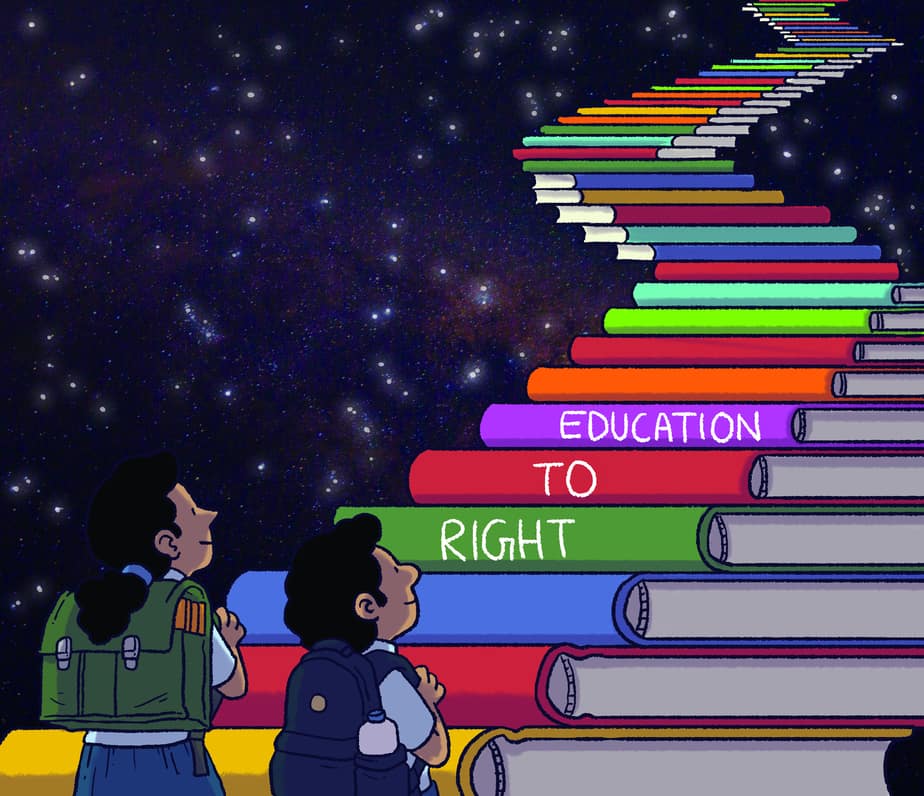
As the consultation exercise has begun for the upcoming general budget, it is a good time to take stock of the outcomes and capture the learning from the experience captured in the last 15 years of the implementation of the Right to Education Act. It becomes further more critical as the National Education Policy is being implemented. The Right to Education Act (RTE) of 2009 was introduced with the lofty promise of transforming India’s education system by making elementary education a fundamental right for every child between the ages of 6 and 14. Over a decade later, the Act’s legacy is not one of unmitigated progress, but rather a story of symbolism, implementation gaps, and unintended consequences. While the law was hailed as a milestone, a critical review reveals that it has fallen short of its core objectives and, in many ways, has exposed the systemic flaws in India’s approach to education reform.
Gesture Over Substantive Change
The RTE Act was not merely a policy decision. It was as much about electoral capital as about social transformation. The Act’s provisions, such as the 25% reservation for disadvantaged children in private schools and the strict norms for school infrastructure, were ambitious but often disconnected from the realities of India’s diverse educational landscape. Many schools, especially in rural and under-resourced areas, found it impossible to comply with these norms, leading to enforcement harassment and corruption rather than genuine improvement. The law became a tool for political posturing, with little focus on the practical challenges of implementation.
Enrollment Versus Learning: A False Promise
One of the most celebrated achievements of the RTE Act is the increase in school enrollment rates. Data shows a significant rise in the number of children attending school, particularly in previously underserved regions. However, this rise in enrollment has not translated into better learning outcomes. National assessments like ASER have consistently shown low learning in basic literacy and numeracy levels among students. The Act’s focus on inputs, such as infrastructure and teacher numbers, has often come at the expense of actual learning, leaving students with certificates but little real knowledge.
The Paradox of Government Schools
Government schools, which were expected to be the main beneficiaries of the RTE Act, have faced a paradoxical decline. Many schools have seen reduced enrollment as students migrate to private institutions, while others have closed due to an inability to meet the Act’s norms. The Act’s emphasis on infrastructure and teacher qualifications has often favored larger, better-resourced schools, further marginalizing those most in need.
Private Schools and the 25% Quota
The requirement for private schools to reserve 25% of seats for disadvantaged children has been both praised and criticized. While it has increased access for underprivileged children, it has also led to accusations of discrimination and social segregation within schools. Many private schools have found ways to circumvent the law, and the reimbursement process has been fraught with delays and bureaucratic hurdles. The Act has not fundamentally changed the dynamics of private education, which continues to cater largely to the affluent.
Teacher Quality and Accountability
The RTE Act set new standards for teacher qualifications, but the impact on teacher quality has been limited. Many newly recruited teachers lack adequate training, and the Act’s provisions have not been enforced consistently. Teacher absenteeism, lack of accountability, and corruption remain persistent problems in both government schools. The Act’s focus on inputs, such as infrastructure and teacher numbers, has often come at the expense of outcomes, such as learning achievement and student well-being.
The Way Forward
The RTE Act’s journey over the past decade reveals a fundamental truth: laws alone cannot transform education. Real change requires sustained investment, robust governance, and a commitment to equity and quality. The Act has succeeded in increasing access, but it has failed to ensure that every child receives a meaningful education. Moving forward, policymakers must focus on improving the quality of teaching, strengthening accountability mechanisms, and ensuring that the Act’s provisions are implemented in ways that truly benefit the most vulnerable children.
Conclusion
The RTE Act remains a landmark in India’s educational history, but its legacy is one of unfulfilled potential. While it has brought millions of children into the classroom, it has yet to deliver on the promise of quality education for all. The challenge now is not just to amend the law, but to create a system that values learning, equity, and inclusion above all else. The RTE Act was a step in the right direction, but much more needs to be done to ensure that every child in India receives the education they deserve.
Post Disclaimer
The opinions expressed in this essay are those of the authors. They do not purport to reflect the opinions or views of CCS.